Philojain

(REFERENCE SERIES SUB-BASS HEADPHONES RECOMMENDED FOR PHILOJAIN MUSIC MUSE LABEL) ROCK, METAL, DJENT FEATURING CONCURRENT STRING ACTION IN ALL OF 96 KHZ SUB-BASS WHAMMY BAR DIVES!
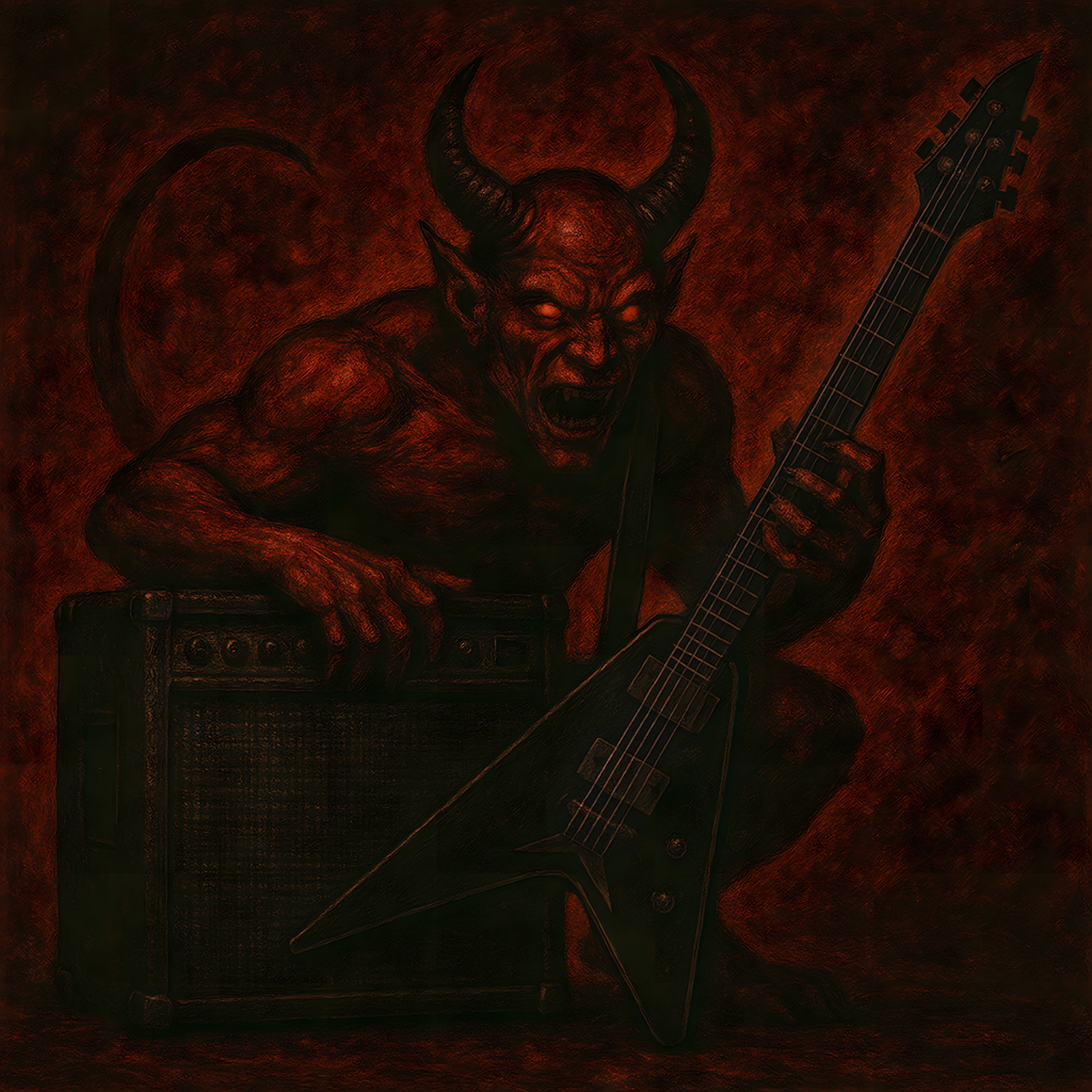
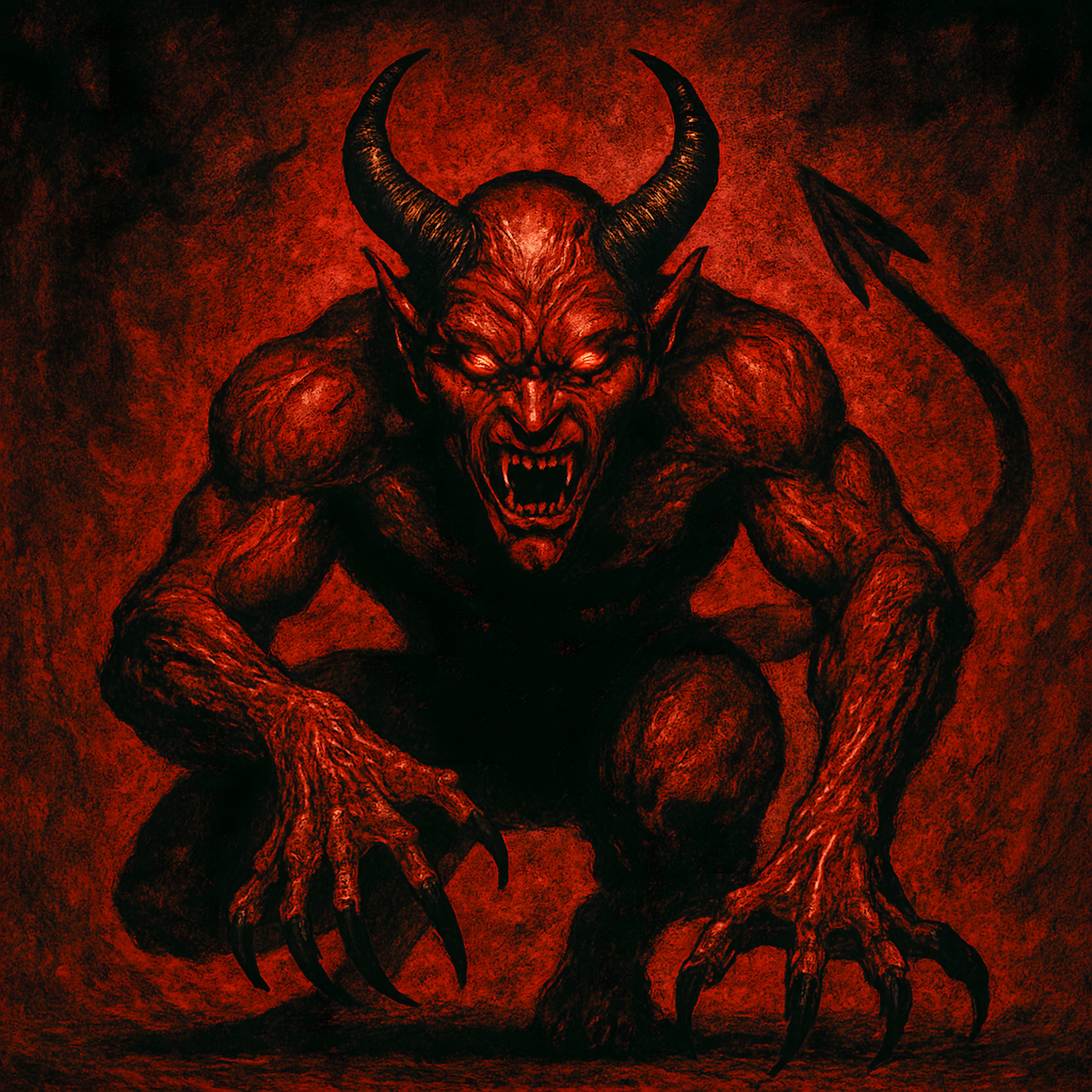
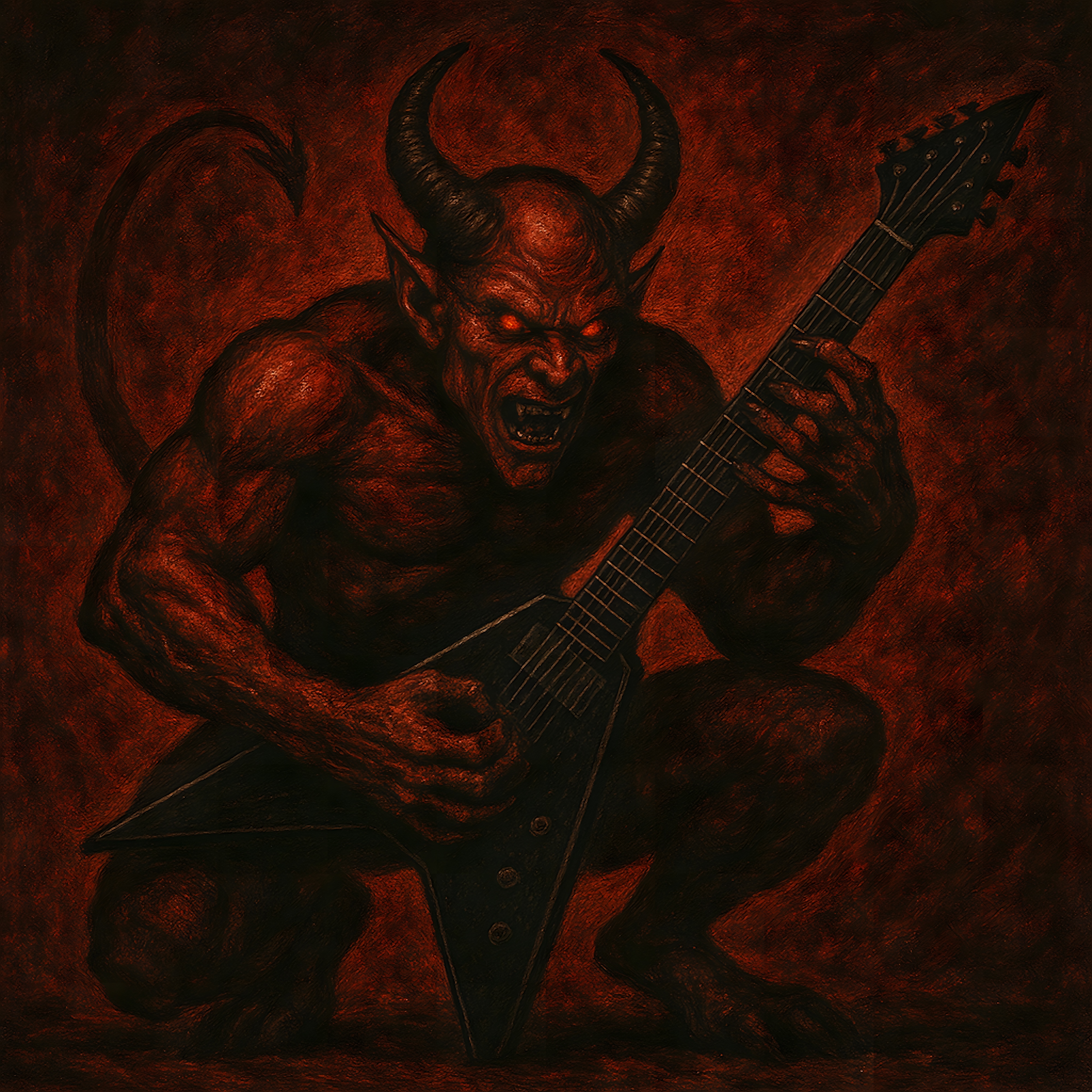
Fluid Genre Fusion Sample Song
About the Roster
6000+ POST/PROG ROCK METAL DJENT SONGS
Hear them all here as an endless riff shuffle playlist:
A lot of modern rock, metal, and djent can feel technically impressive yet emotionally sterilized to certain listeners. That reaction usually comes from hearing music that is hyper-edited, grid-locked, sample-replaced, over-quantized, and optimized for precision more than danger, groove, or human tension. It can sound huge—but not alive.
Detailed Version of the Statement
“Most rock, metal, and djent is too sanitized for my music taste.”
What that often means:
I’m not rejecting heaviness, skill, or production quality. I’m rejecting the loss of friction. I want riffs that feel like they could fall apart but don’t. I want drums that push and pull time instead of snapping to a grid like factory machinery. I want vocals with strain, breath, spit, crack, and conviction—not just pitch-perfect layers. I want bass that growls like an animal, not just follows the guitars. I want chaos with purpose.
Too much modern heavy music can feel like:
Every guitar transient surgically aligned
Every kick drum replaced by the same triggered click
Every snare identical for four minutes
Every riff mathematically correct but emotionally obvious
Every breakdown expected before it arrives
Every vocal compressed into one flat wall
Every mix “massive” yet strangely weightless
Every song designed to impress producers instead of haunt listeners
The result: sterile heaviness. Heavy in frequency, light in soul.
I want music that still contains:
Risk
Dirt
Swing
Personality
Imperfection
Suddenness
Mystery
Human struggle
Primitive force
Unplanned greatness
Why This Happened
- Digital Perfection Became the Standard
DAWs made it easy to fix timing, tune notes, edit takes, replace drums, and polish everything. Useful tools became aesthetic defaults. - Musicians Started Producing for Musicians
Instead of making listeners feel something, some scenes shifted toward making peers say “sick tone” or “tight mix.” - Social Media Rewarded Precision Clips
Thirty-second immaculate guitar clips outperform messy genius in algorithmic environments. - Djent’s Math Side Overtook Its Groove Side
Polyrhythms, subdivisions, and precision became the identity, while funk, bounce, and primal rhythm got reduced.
How to Break the Stereotype
- Leave Human Timing Intact
Don’t quantize everything.
Keep drums slightly ahead/behind beat
Let guitars drag in verses and surge in choruses
Preserve take-to-take micro differences
Feel beats perfection.
2. Record Full Takes, Not Frankensteins
Too many songs are assembled from 400 edits.
Instead:
Capture full performances
Keep accidental moments
Use comping lightly
Tension comes from continuity.
3. Use Dynamic Range
Not everything should be maximum intensity.
Try:
Quiet intros with amp hum
Mid-song dropouts
Explosive contrast sections
Sudden tempo breathing
Heaviness needs contrast.
4. Dirty the Tone
Perfect tones can become lifeless.
Use:
Slightly under-gained guitars
Real cab air movement
String noise
Pick scrape
Amp sag
Feedback trails
Ugly details create beauty.
5. Let Bass Matter
Many heavy mixes bury bass.
Instead:
Distorted parallel bass
Midrange bass presence
Counter-rhythm bass phrases
Slides and grit
Bass creates menace.
6. Break Predictable Structures
Avoid:
intro → riff → verse → chorus → breakdown → breakdown 2
Try:
Fake endings
Long tension builds
Riff mutation returns
Sudden clean collapse
Noise interludes
Tempo deception
- Vocals Need Character Over Correction
Keep:
Breath
Voice cracks
Grit
Spoken menace
Layered gang chaos
Distance and proximity changes
- Use Groove in Djent
Djent often forgets it can dance.
Add:
Funk ghost notes
Swinging polymeters
Pocket snare placement
Syncopated bass bounce
Half-time fakeouts
Meshuggah works partly because groove is king.
Techniques for Unsanitized Heavy Music
Guitar
Double-track loosely, not perfectly mirrored
Use alternate tunings with ringing dissonance
Palm mute inconsistently for pulse texture
Let harmonics squeal naturally
Use feedback as instrument
Drums
Real room mics loud in mix
Velocity variation on kicks/snare
Slight flam imperfections
Ghost notes that breathe
Cymbal wash retained
Bass
Blend clean low-end + dirty mids
Overdrive instead of fuzz-only flattening
Rhythmic independence from guitars
Songwriting
One great riff repeated with evolving accents
Asymmetrical phrases
Silence as weapon
Reharmonized returns
Sections that feel discovered, not inserted
Production
Parallel compression, not total squash
Saturation over sterile brightness
Preserve transients
Leave some hiss/noise if musical
Don’t over-limit master bus
A New Philosophy: Controlled Wildness
Think of heavy music as:
precision at the macro level, chaos at the micro level
Meaning:
Song arrangement intentional
Performances alive
Tones dangerous
Mix powerful
Details imperfect
That’s where replay value lives.
For Your Philojain / Algoriffm Angle
Your phrase could be:
“Algoriffm is where machine logic meets human disorder.”
Use algorithms for:
riff permutations
rhythmic displacement
modal shifts
evolving structures
But preserve human elements:
push/pull timing
expressive attack
spontaneous feedback
emotional vocal takes
unstable dynamics
So instead of sterile prog math, it becomes organic intelligence metal.
Final Manifesto
I don’t need heavier plugins.
I need heavier intent.
I don’t need cleaner tones.
I need dangerous tones.
I don’t need perfect timing.
I need undeniable feel.
I don’t need complexity for its own sake.
I need riffs that sound like truth under pressure.
Most modern heavy music is polished steel.
I want rusted iron that still cuts.
Philojain, an unlikely (Post/Progressive Power Speed) rock/metal indie act from India:
QUOTE
"...the given sonic endeavour of doomscrolling with metal on is a bit like auditorially dancing off the demons to their wake and being beyond their keepsake namesake..."
-Amit
From their inception in 2019 bored out of their brains during the pandemic days, Philojain has come a long way with the conceptualisation of experimental electro metal given apt punk/funk undertones for a sense of edgy bass to their music.
While they consistently include subwoofer bass in their music, their sound cruises along as a driving music backdrop for an unforgettable listen in keeping you coming back for more. Their artistic influences span decades of genre defying music and the tasteful discourse shows forth each narrative to be a unique presentation.
They additionally keep a strong symphonic presence at their core, most notably influenced by band member Amit Jain’s extensive metalcore work for his own listening pleasure; now made available for discerning indie music lovers on all leading online streaming platforms worldwide. The endeavour undertaken is considerable.
Philojain (Amit Jain) is a musician known for his experimental, extreme, and progressive rock music. Philojain's music is characterized by intricate riffs, unpredictable progressions, and a blend of diverse influences, pushing the boundaries of contemporary metal.
Haunting yet hopeful. Complex yet flowing. A journey beyond time signatures and tropes.
Philojain crafts immersive soundscapes where progressive rock meets post-everything. Think layers of delay-washed guitars, ambient textures, and intricate rhythmic shifts—melding the cerebral side of prog with the emotional depth of post-rock. Philojain delivers music that thinks deeply, feels widely, and moves boldly.
Philojain blends extreme experimental electro rock, metal, punk, and djent, with a focus on intricate guitar work, rhythmic complexity, and bass depth.
Philojain is celebrated for blending progressive and post-metal elements, creating unique sounds through diverse instrument, hardware, and software combinations. With a growing discography and notable collaborations, Philojain continues to redefine the boundaries of contemporary rock and metal.
Philojain Music Muse Label: The Alchemists of Indian Rock and Metal, Forging New Musical Frontiers as Post-Prog Sonic Architects!
Guitar harmony – if the guitars are playing harmonized lead lines together.
Dual guitar solos – when two guitarists are soloing in a call-and-response or simultaneous fashion.
Guitar dueling or guitar battle – when the solos are competitive or conversational, trading licks.
Counterpoint solos – if each guitarist plays distinct, intertwining melodic lines, like in classical or prog styles.
Polyphonic soloing – a more technical term if the parts are truly independent and layered melodically.
Mostly the mentioned musical styles emulate "strumming aggressively" or simply "heavy strumming".
In rock and metal contexts, it can also be referred to as:
"thrashing" – often used in thrash metal, where guitarists play very fast and aggressively.
"chugging" – if you're palm-muting and hitting low strings rhythmically, common in metal.
"raking" – when you drag the pick across muted strings quickly.
"power strumming" – not an official term, but often used informally to describe very forceful strumming.
If you're talking about solo or lead guitar, and not strumming chords, it might be closer to "picking attack" or "hard picking"
—which refers to how forcefully you hit individual notes.
Philojain music muse label Merch now available worldwide at philojain.com
Philojain music muse label Vinyl now available worldwide at https://elasticstage.com/philojain
How to Break the Stereotype
- Leave Human Timing Intact
Don’t quantize everything.
Keep drums slightly ahead/behind beat
Let guitars drag in verses and surge in choruses
Preserve take-to-take micro differences
Feel beats perfection. - Record Full Takes, Not Frankensteins
Too many songs are assembled from 400 edits.
Instead:
Capture full performances
Keep accidental moments
Use comping lightly
Tension comes from continuity. - Use Dynamic Range
Not everything should be maximum intensity.
Try:
Quiet intros with amp hum
Mid-song dropouts
Explosive contrast sections
Sudden tempo breathing
Heaviness needs contrast. - Dirty the Tone
Perfect tones can become lifeless.
Use:
Slightly under-gained guitars
Real cab air movement
String noise
Pick scrape
Amp sag
Feedback trails
Ugly details create beauty. - Let Bass Matter
Many heavy mixes bury bass.
Instead:
Distorted parallel bass
Midrange bass presence
Counter-rhythm bass phrases
Slides and grit
Bass creates menace. - Break Predictable Structures
Avoid:
intro → riff → verse → chorus → breakdown → breakdown 2
Try:
Fake endings
Long tension builds
Riff mutation returns
Sudden clean collapse
Noise interludes
Tempo deception - Vocals Need Character Over Correction
Keep:
Breath
Voice cracks
Grit
Spoken menace
Layered gang chaos
Distance and proximity changes - Use Groove in Djent
Djent often forgets it can dance.
Add:
Funk ghost notes
Swinging polymeters
Pocket snare placement
Syncopated bass bounce
Half-time fakeouts
Meshuggah works partly because groove is king.